We Love Our Christmas Procession
We Love Our Christmas Procession
Travel through Italy at the time of a Christian feast and you may encounter customs that have gathered meaning over centuries. Among the most evocative are processions: communal journeys of faith that became an important part of Italian religious life in the Middle Ages, particularly through the rise of lay confraternities from the 12th century onwards. Over time, these brotherhoods gave shape to public acts of devotion, from candlelit processions to music, prayer and charity. Their traditions evolved through the centuries, flourishing particularly during the Baroque period, and many remain woven into the fabric of Italian life today.
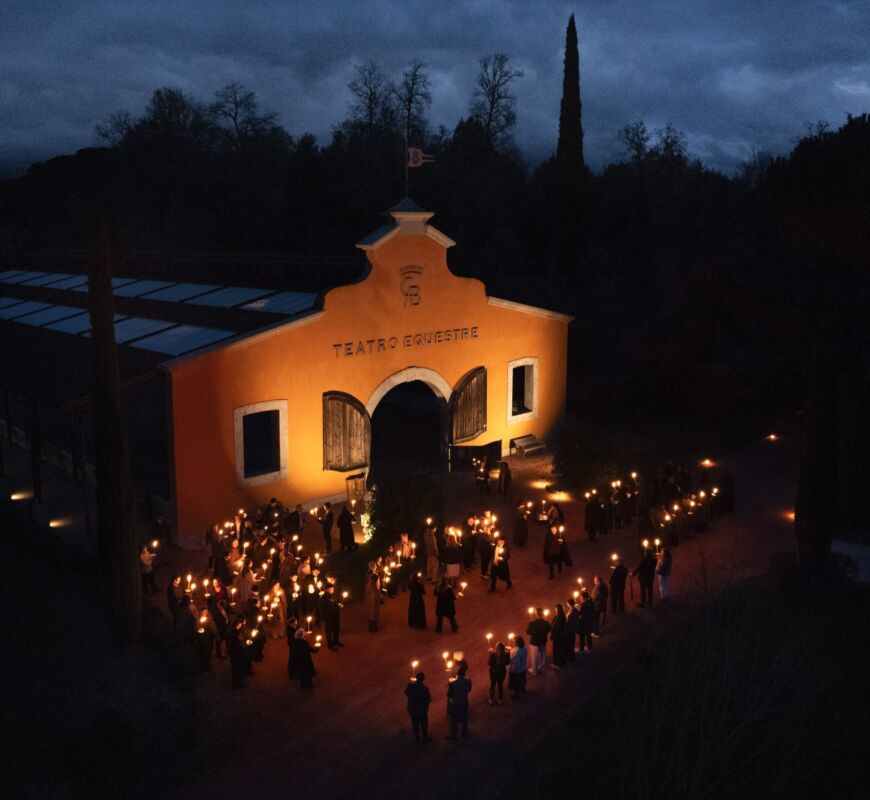
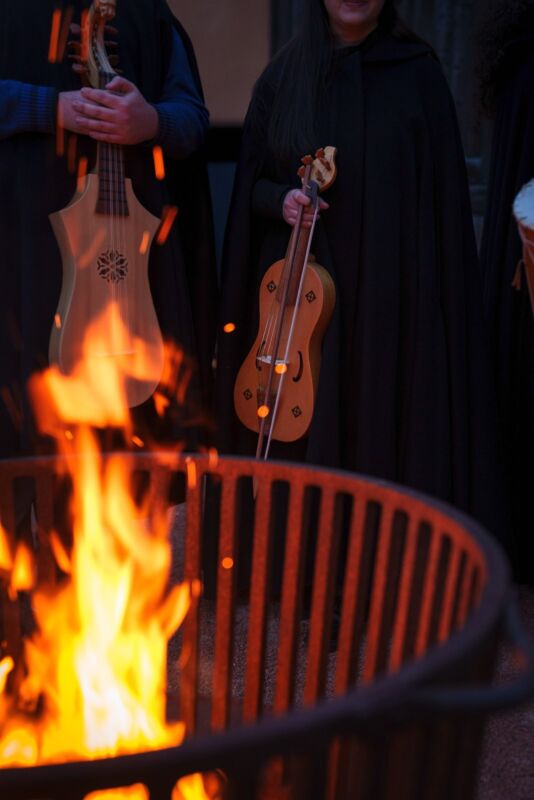
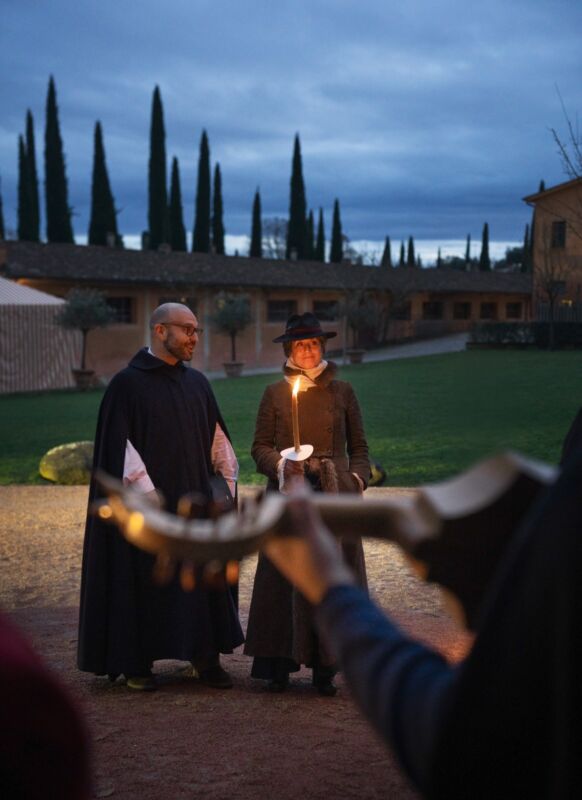
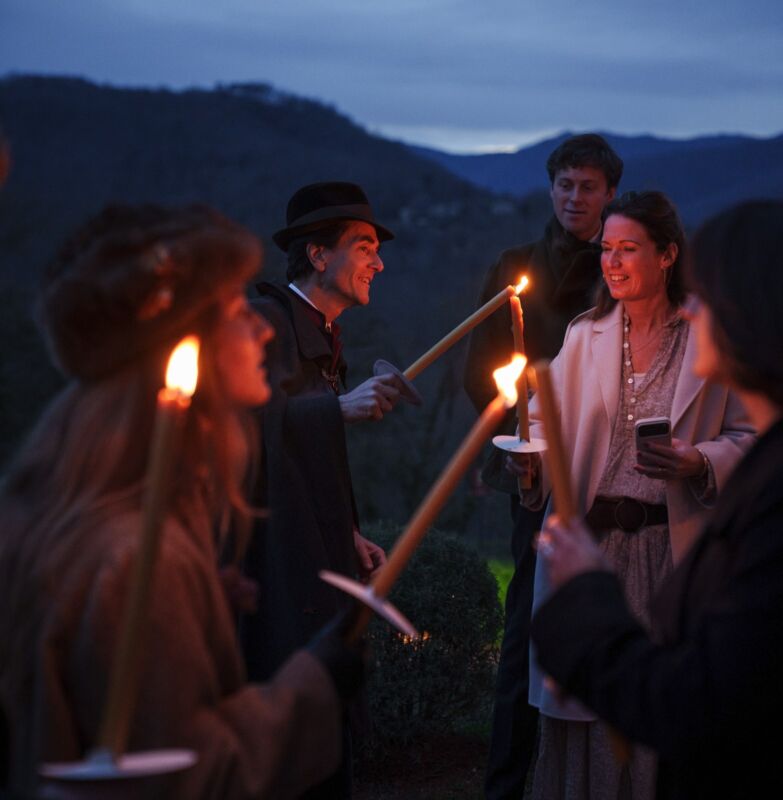
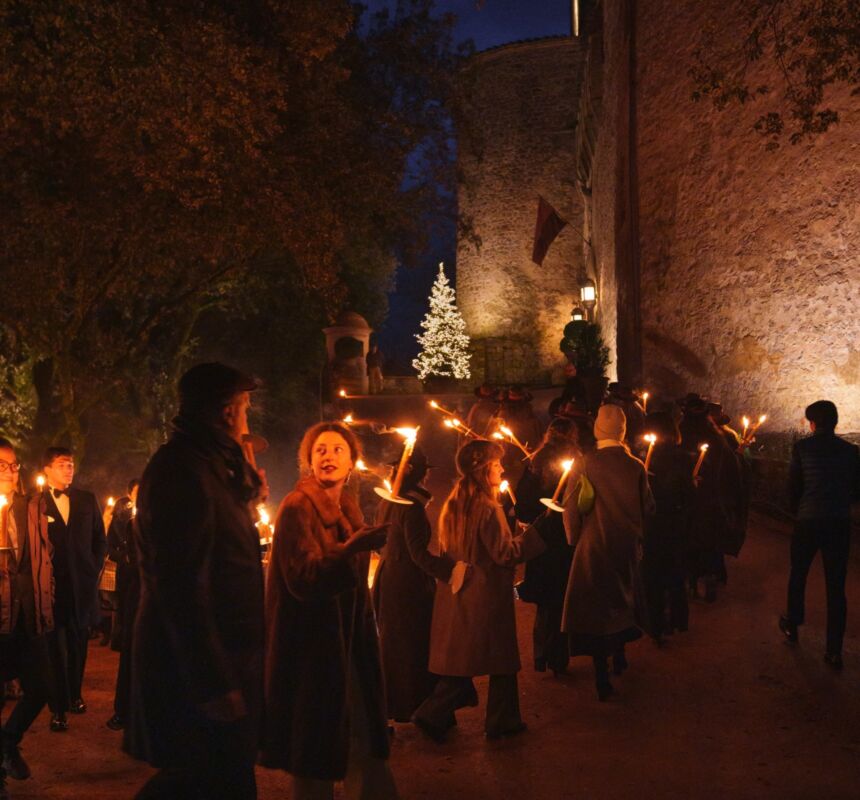
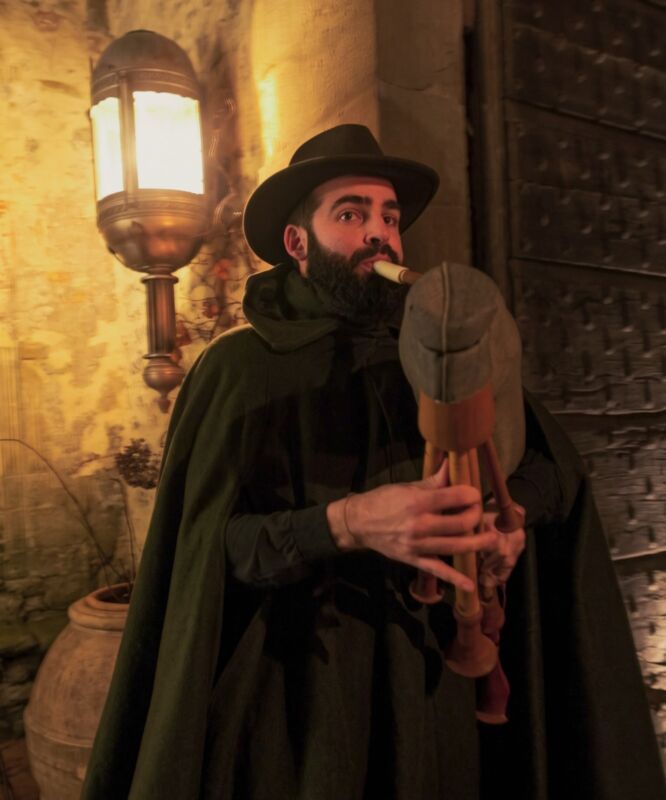
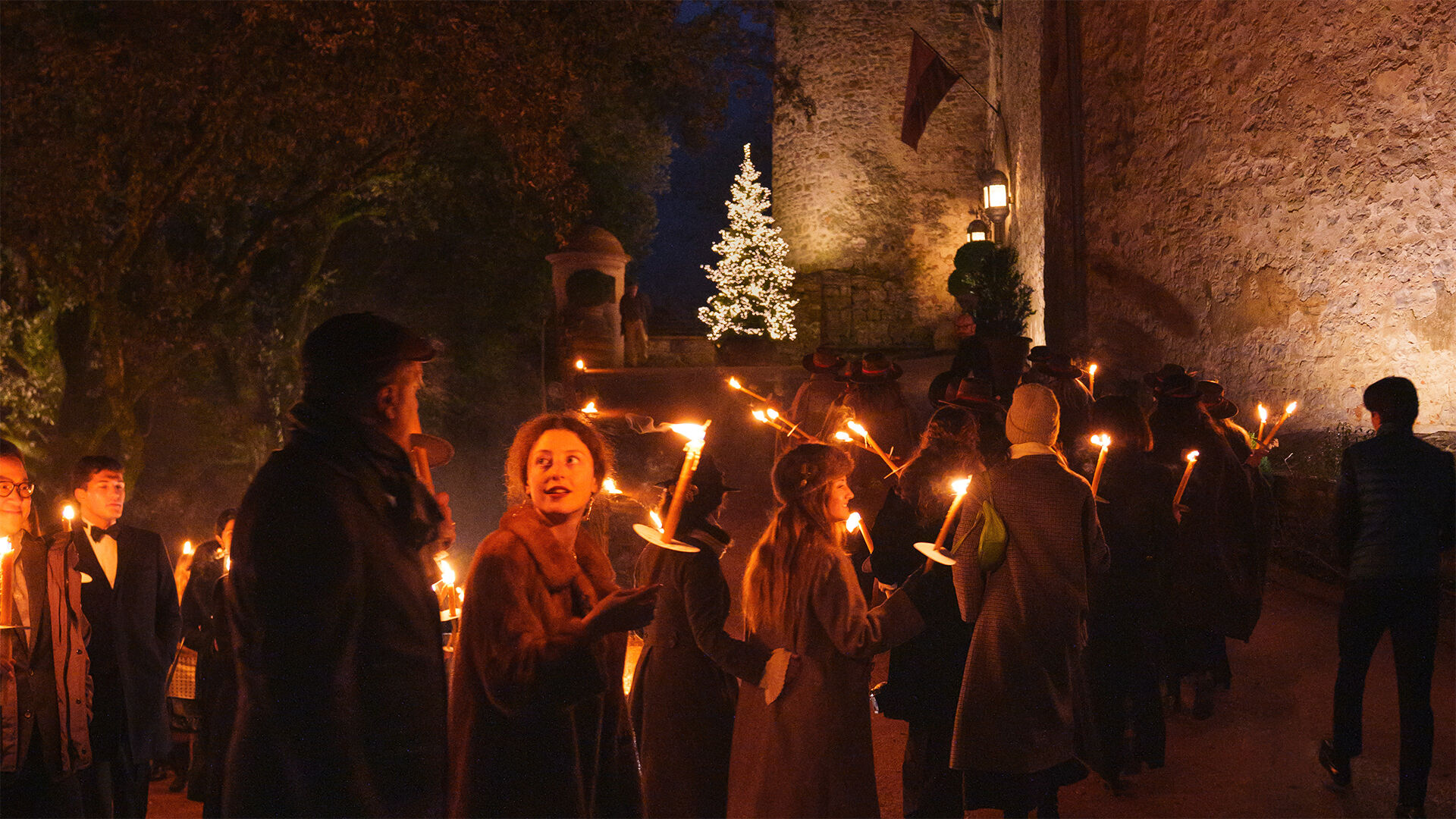
As dusk falls on 24 December, guests gather at the Teatro Equestre, a candle in hand. The first notes of the zampogna rise into the evening air. Traditionally played by shepherds in central and southern Italy, these distinctive bagpipes have long been associated with Advent, when zampognari would descend from the mountains to play outside churches, shrines and homes. In Rome, the custom was already well established by the 18th century; by the following century, the sound of the pipes had become one of the unmistakable signs of Christmas.
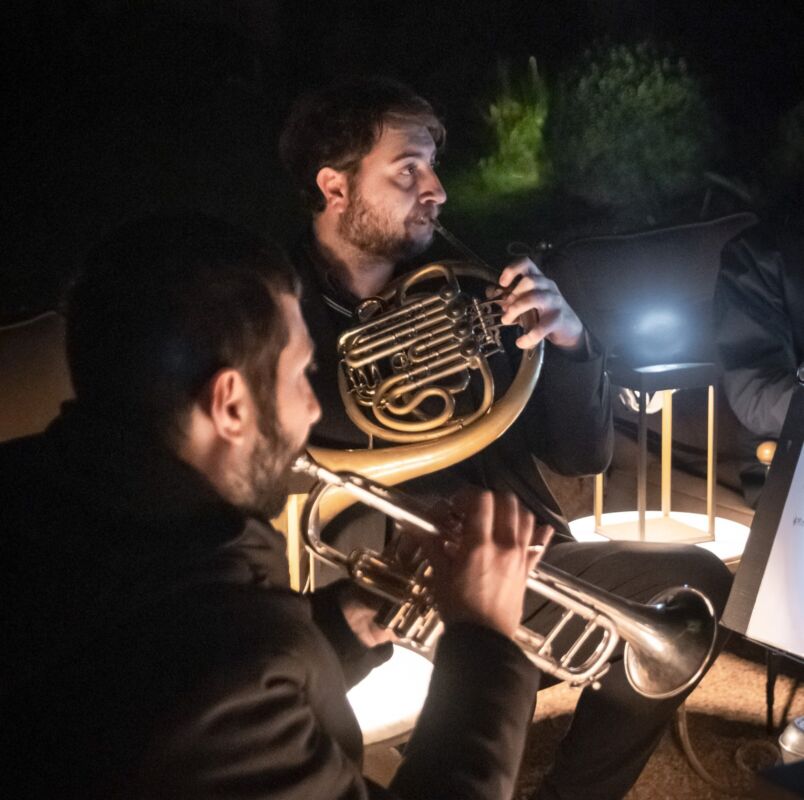
With melodies drifting across the hills, the procession sets off towards the Castello’s chapel, like a travelling constellation of stars. As the courtyard comes into view, filled with the glow from fires and candles in torchères, the music falls away and a sense of solemnity settles over the group. Together, they take the last few steps into the chapel for a sung Mass, led by the local priest. They emerge once more to the sound of carols accompanied by a brass ensemble. Bull shots, a warming, invigorating blend of broth and vodka, are served to restore both body and spirit.
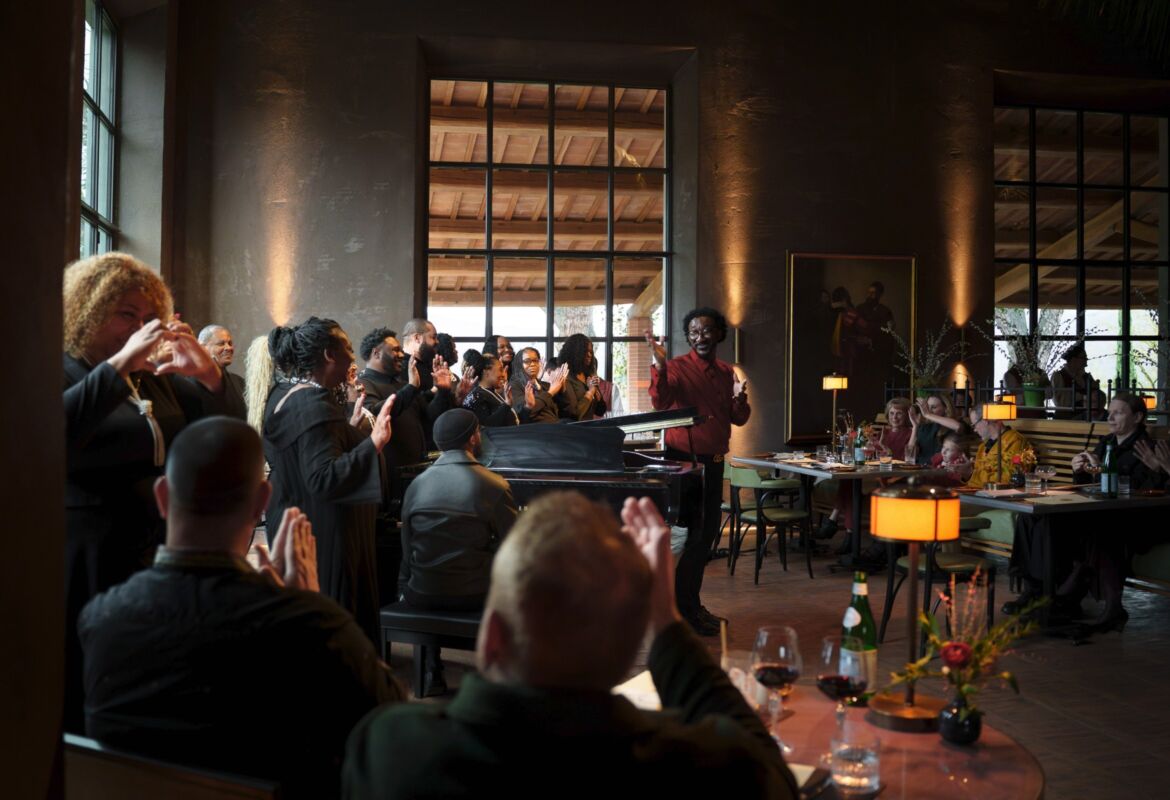
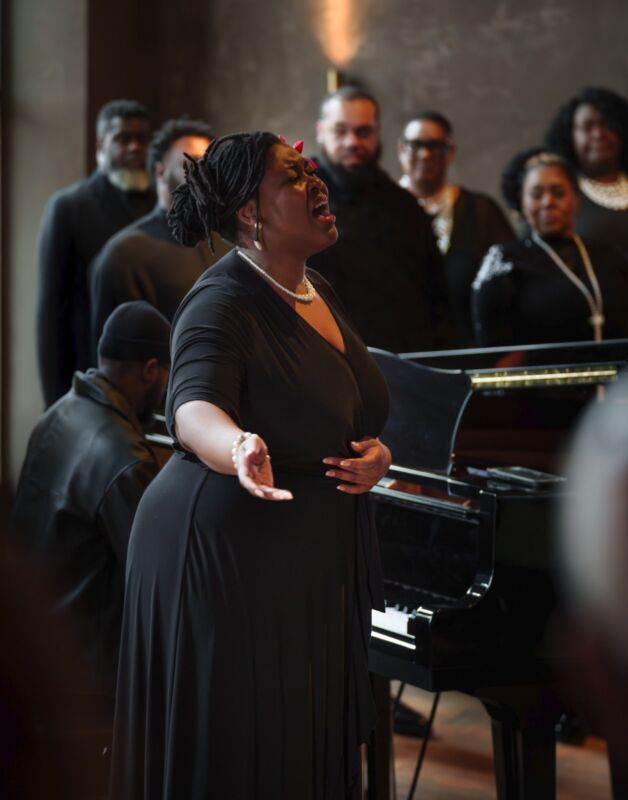
The sense of togetherness created on Christmas Eve carries into Christmas Day, when the uplifting harmonies of a gospel choir fill the Ristorante Alle Scuderie, ahead of a festive lunch.