We Love Tap Dancing
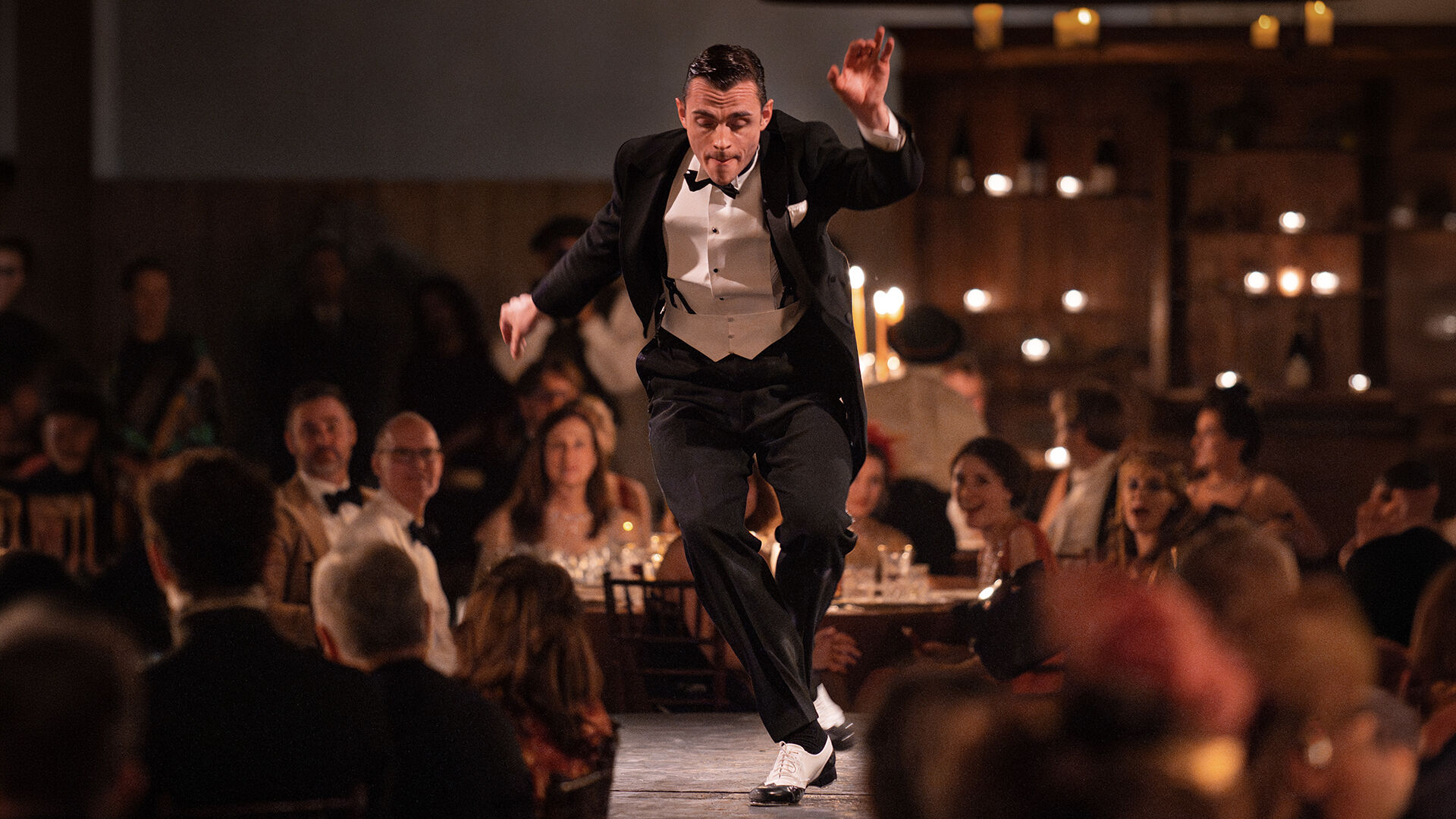
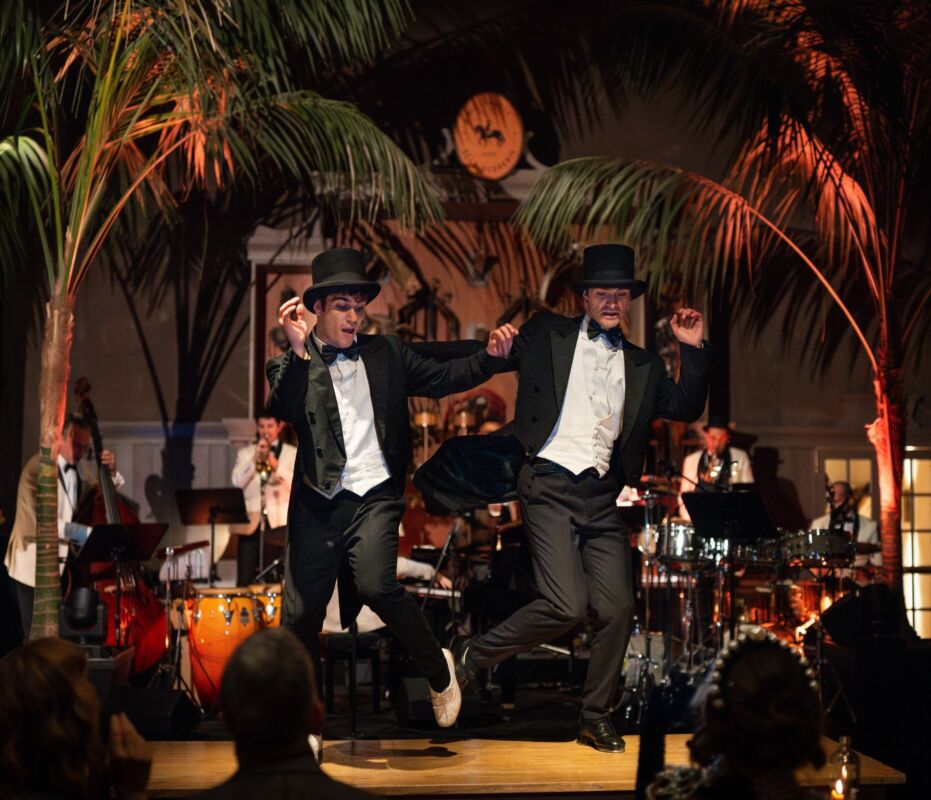
Few things are as intoxicating, joyful and profoundly unifying as tap dancing. With its rhythmic brilliance and mesmerising movements, the body becomes an instrument of percussion, turning every step, shuffle and beat into music.
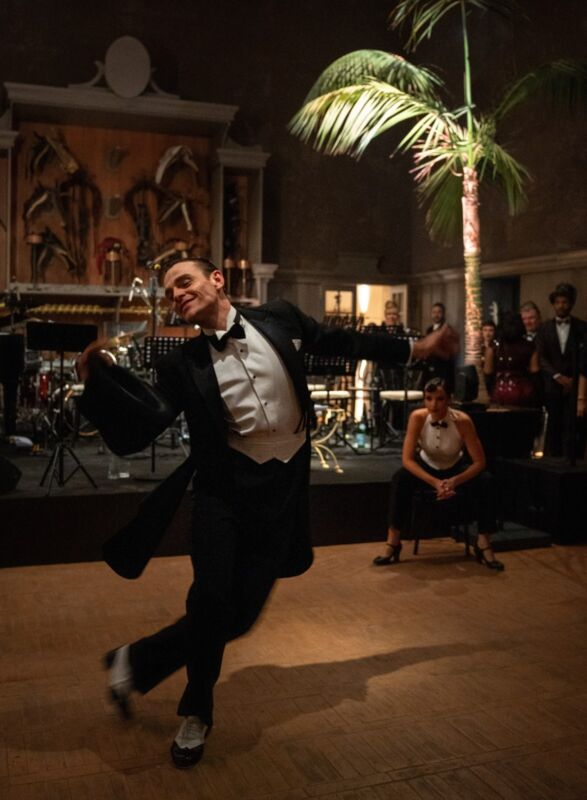
Like so much of America’s music and dance, tap was born out of a rich cultural exchange. Its roots can be traced to the meeting of West African rhythms and step dances with the Irish jigs and British and Scottish clog-dancing traditions brought to America by European immigrants. Over generations, these traditions contaminated each other, evolved and found a language of their own. By the early twentieth century, tap had become an essential part of American entertainment, reaching its golden age during the 1920s, 1930s and 1940s, when it became intimately intertwined with jazz. The tap dancer was not simply dancing to the music, they were making the music, adding another layer of percussion to the irresistible rhythms of the jazz age.
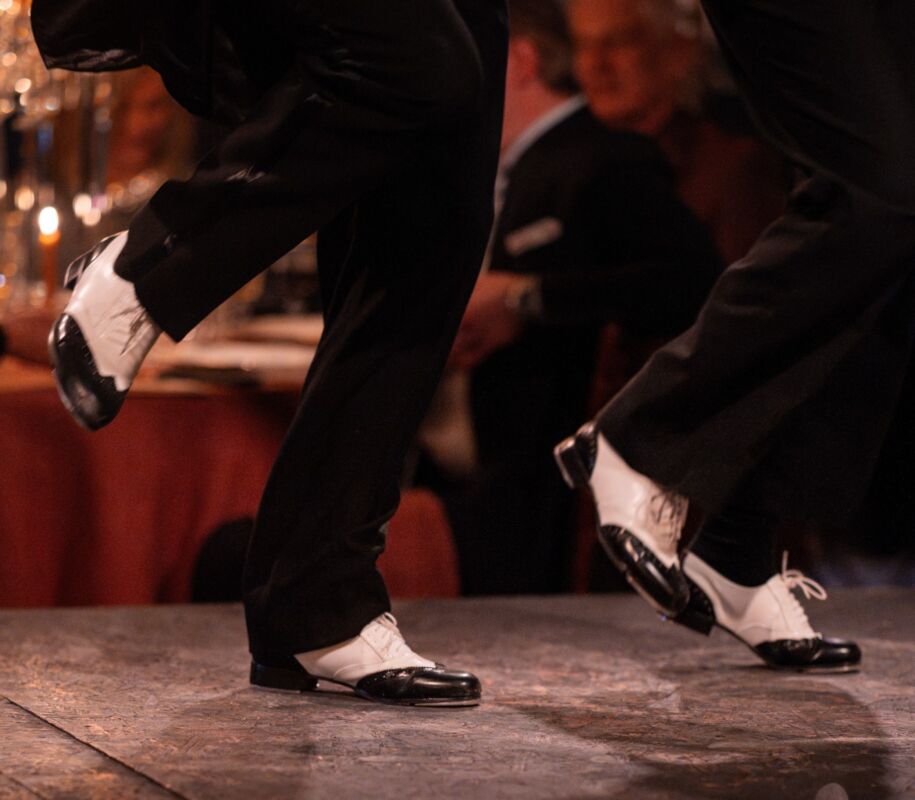
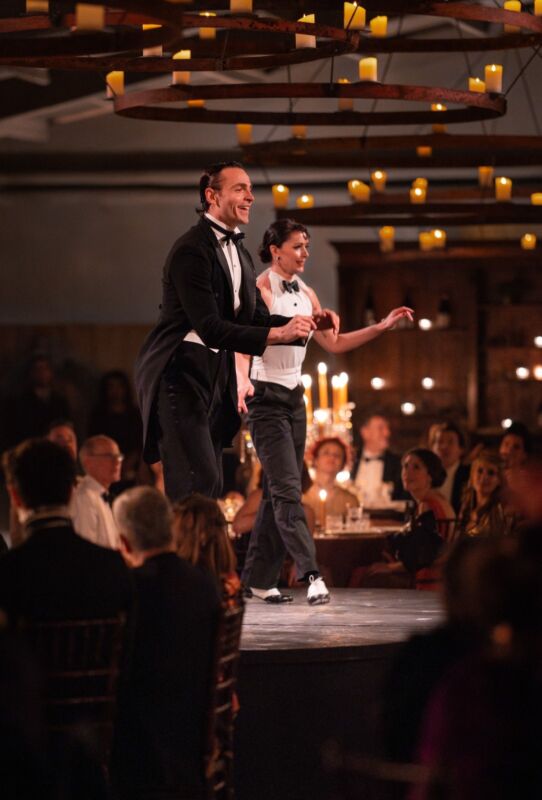
Tap dancers are musicians as much as they are dancers. It is like watching music become visible. The shoes and the floor become the instruments, and the dancer becomes the musician, engaged in a constant conversation with the rest of the band. They listen, improvise, anticipate and respond, sometimes following the rhythm, sometimes challenging it. There is a wonderful spontaneity to it all, a playful exchange between sound and movement that makes every performance unique.
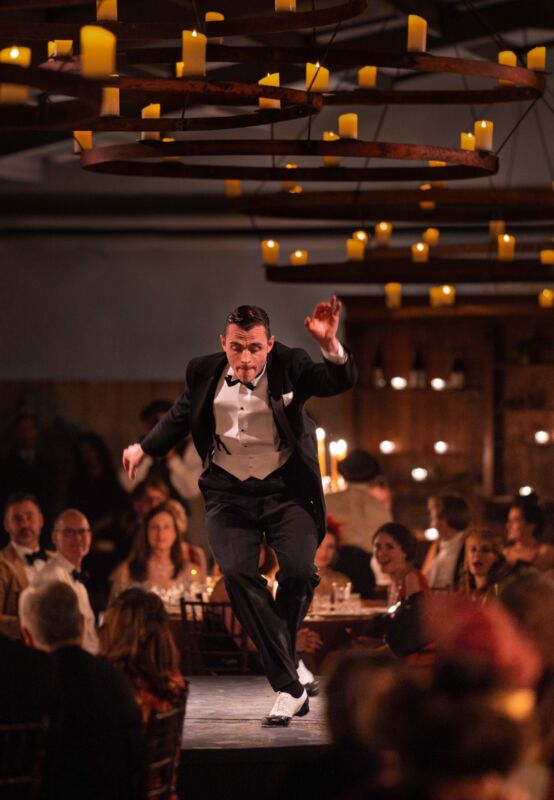
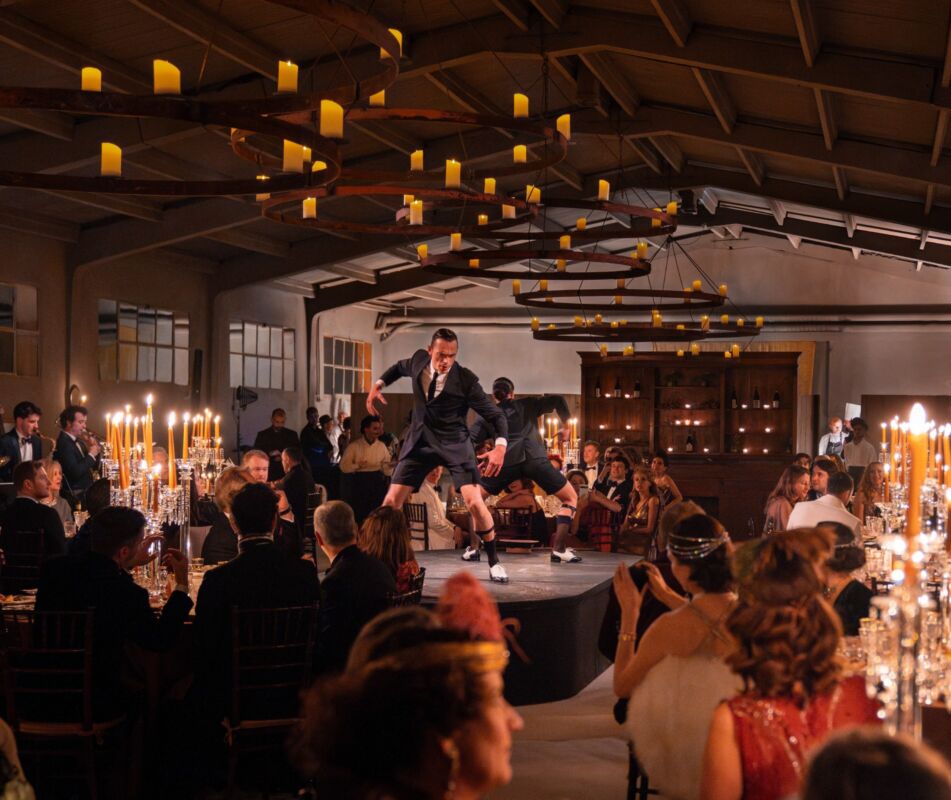
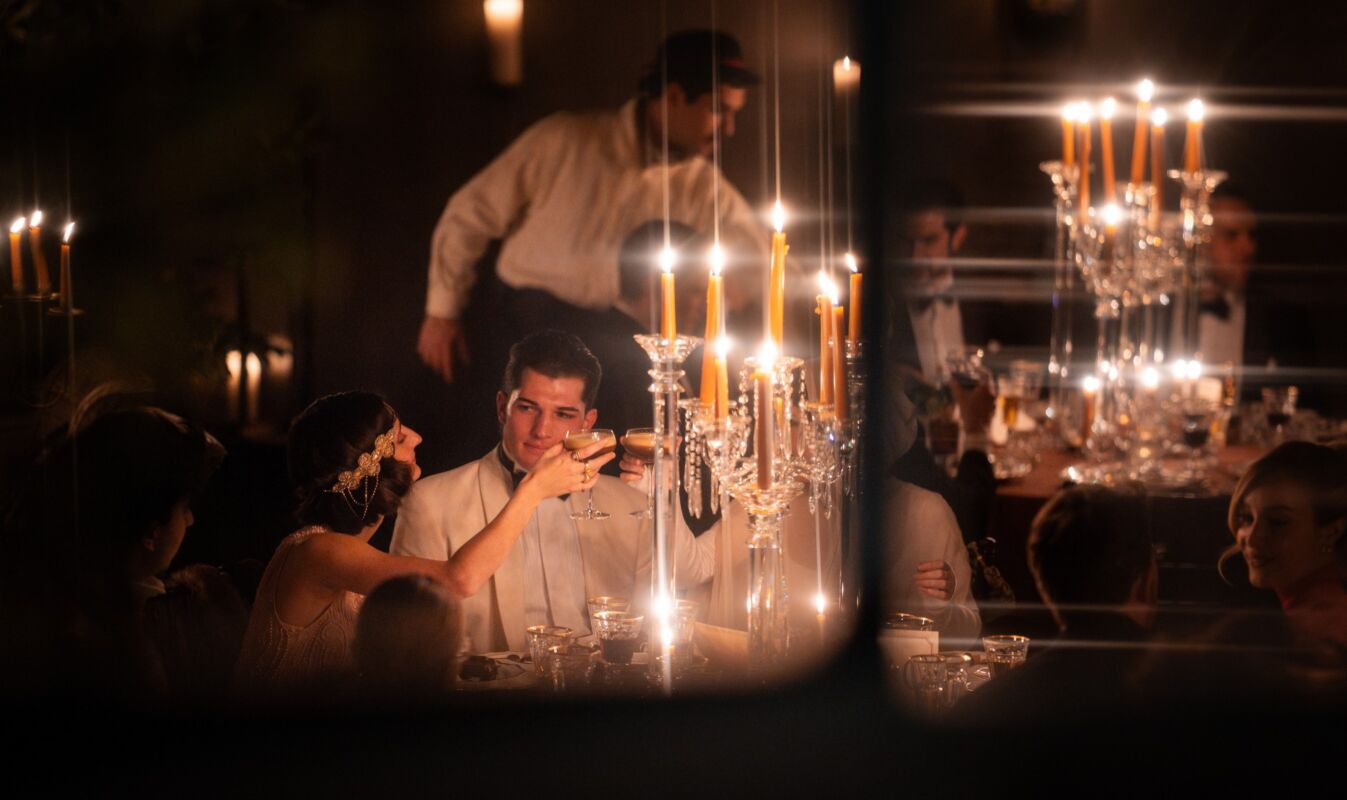
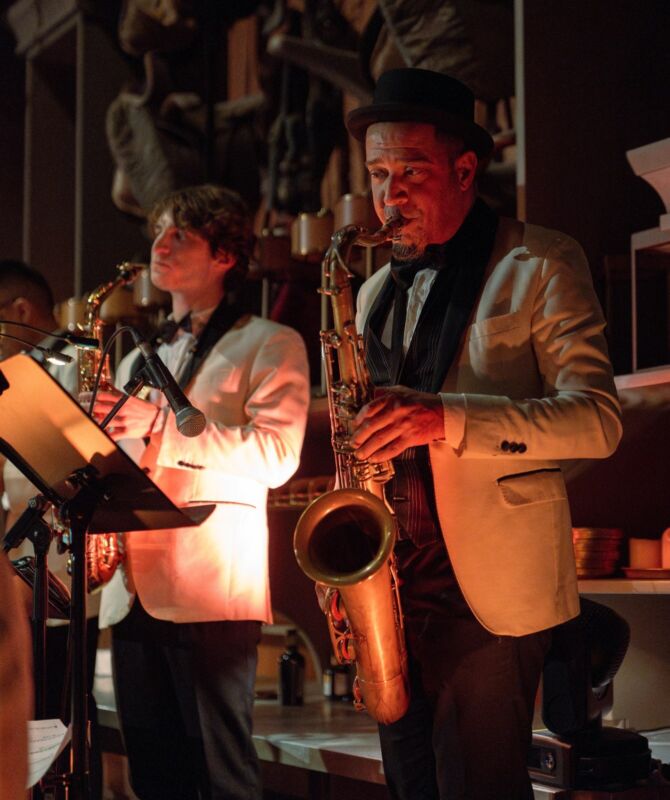
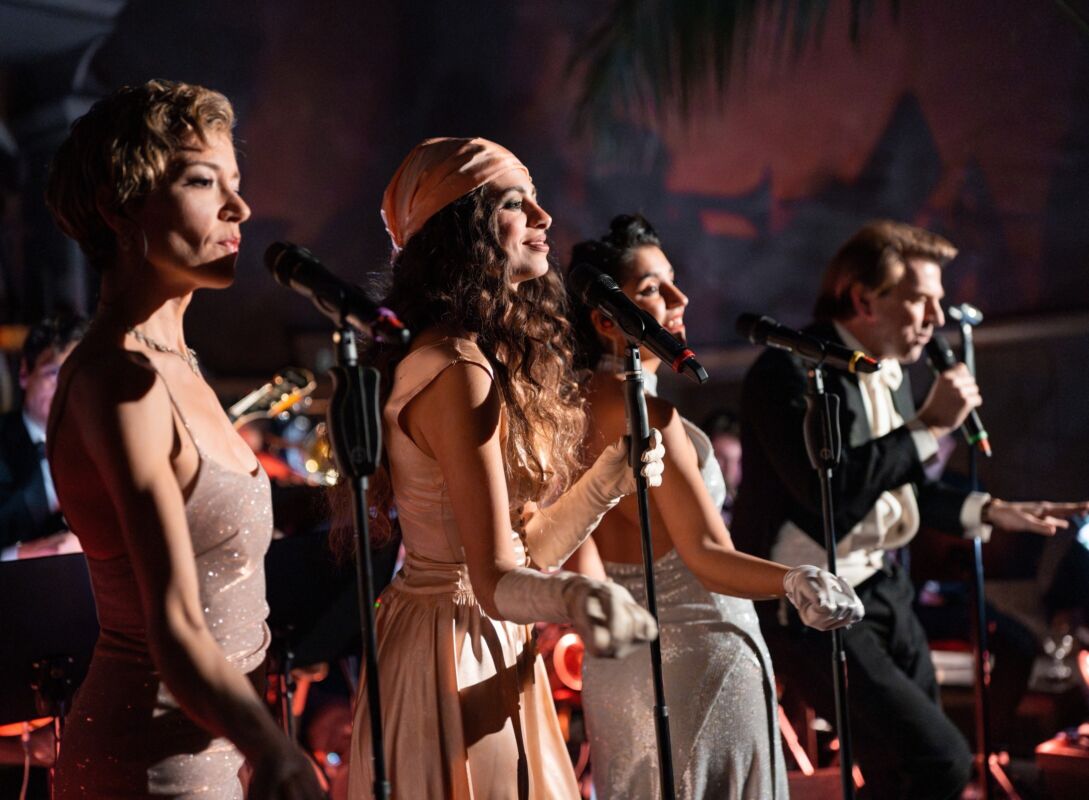
For the past four years, we have welcomed the New Year at Reschio with our annual Jazz Festival, celebrating not only the music but the entire cultural universe surrounding it: the costumes, the dancing, the extraordinary creative fusion and the infectious spirit of the jazz age. And, of course, tap dancing has always been part of the story. This year, however, we are giving it centre stage. On New Year’s Eve, we will be hosting a spectacular tap performance accompanied by a full jazz big band, in our newly built Chocolate Box Theatre.