We Love Our Analogue Cameras
We Love Our Analogue Cameras
In 1826, Nicéphore Niépce captured the first ever photograph. View from the Window at Le Gras used a technique Niépce called heliography, requiring an exposure of several hours: long enough for the sun to move across the sky while the image was being recorded. From these experimental beginnings, photography gradually evolved into a portable and everyday medium (involving, thankfully, a considerably shorter exposure time). With the introduction of roll film and compact cameras in thelate nineteenth and early twentieth centuries, analogue photography transformed from a specialised chemical process into a way of documenting ordinary life. At Reschio, we owe much to Niépce’s discovery. When the Bolza family first arrived in 1994, it was with analogue methods that they recorded their lives on the estate. It is this which prompted our creative team to turn back to vintage cameras and film. Not out of nostalgia, and certainly not as a passing trend, but because these instruments carry a quality that is difficult to replicate: an undefinable rawness of light and texture that not only connects us to our past but also closes the circle back to those early days on the estate.
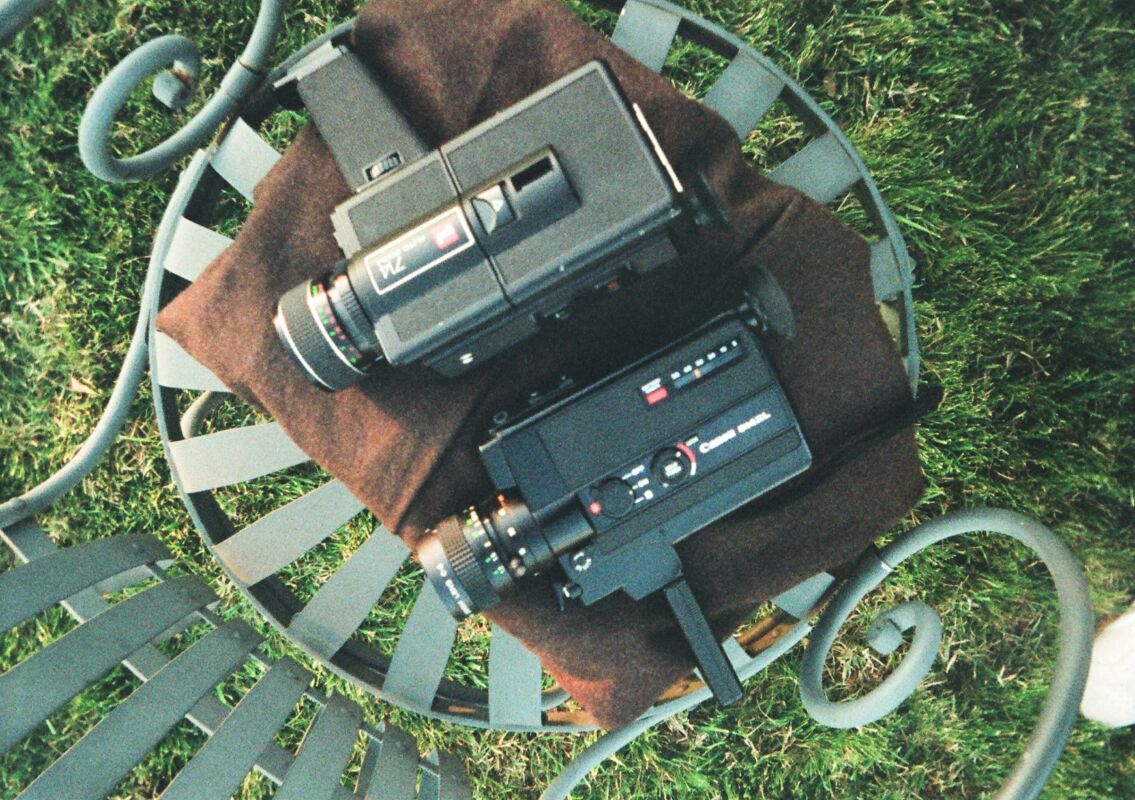
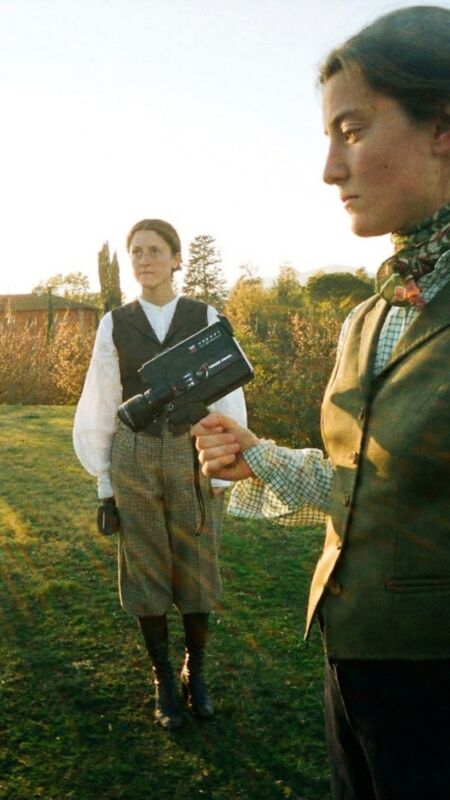
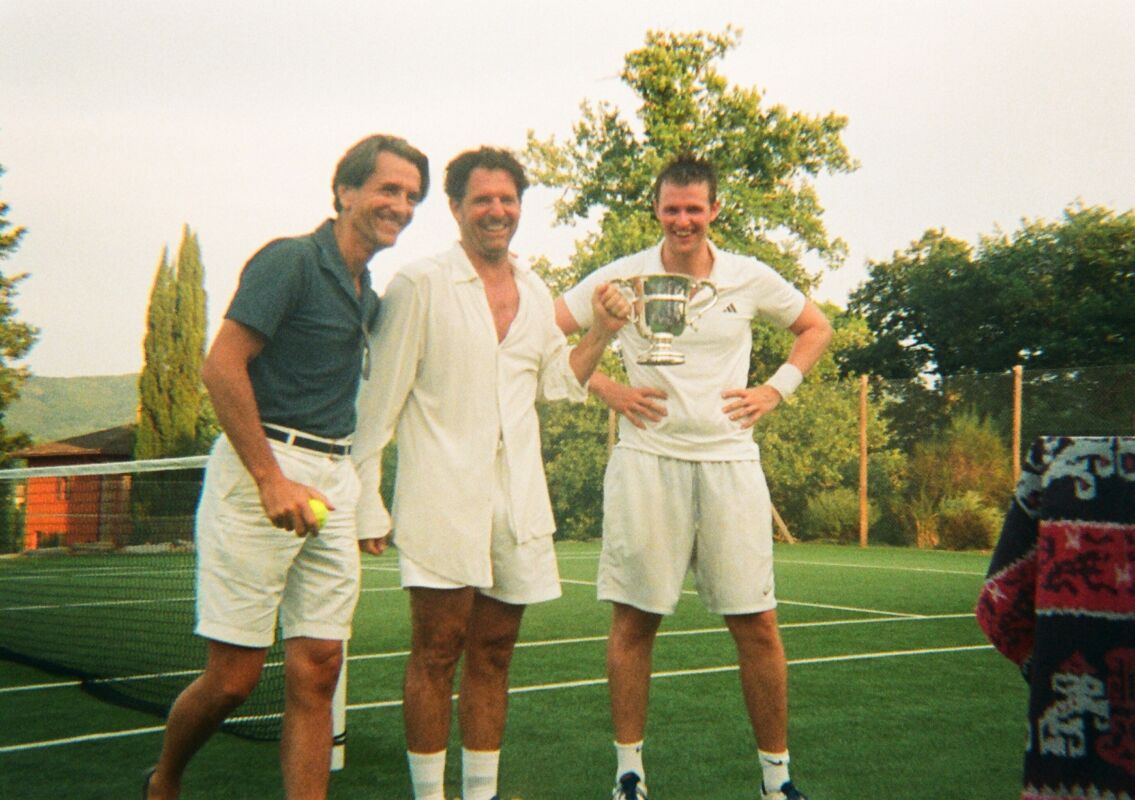
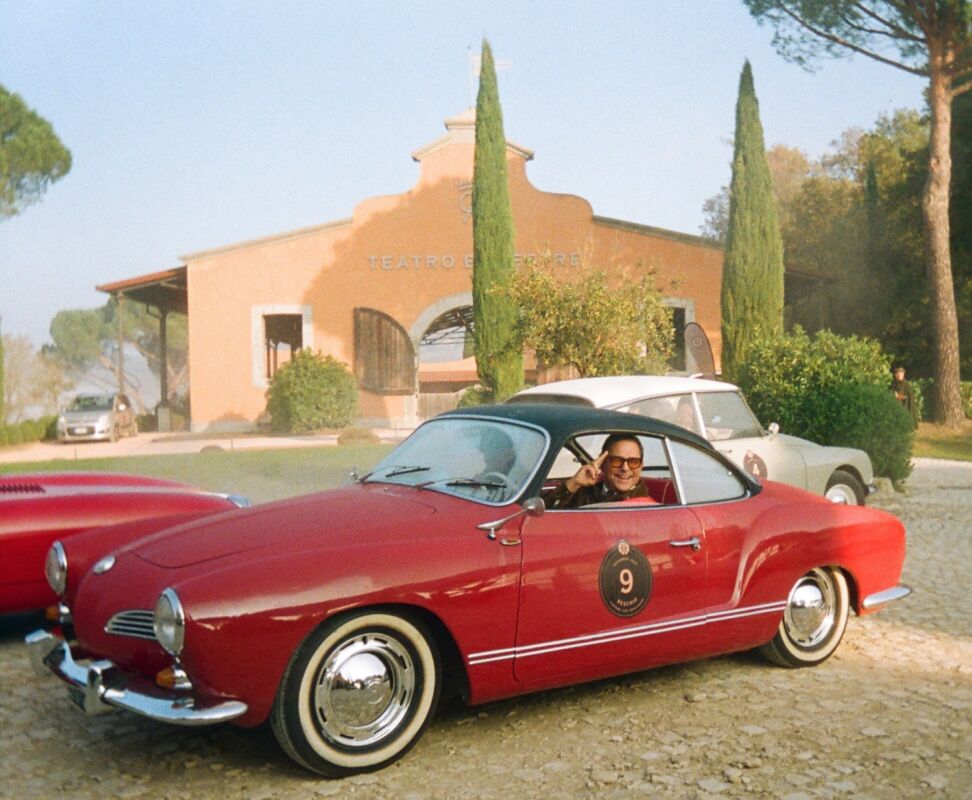
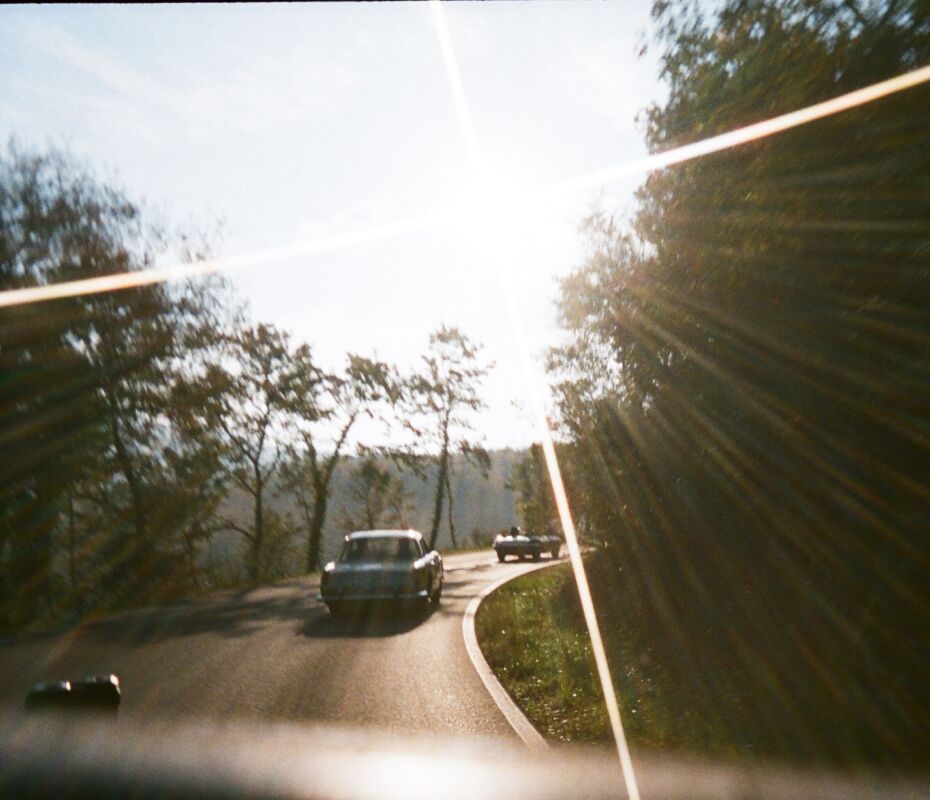
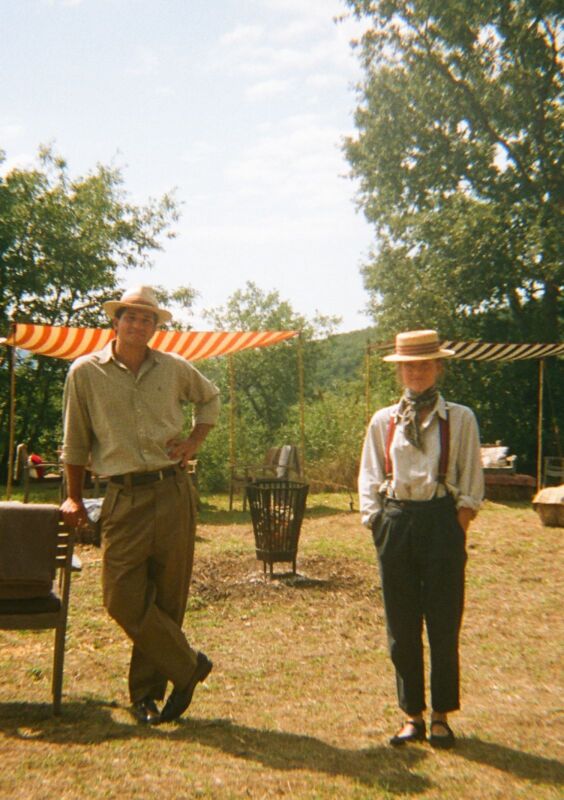
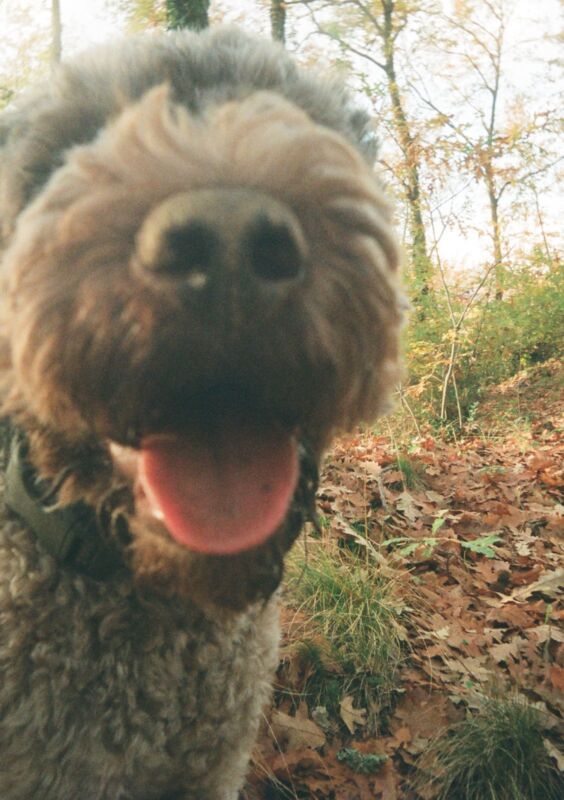
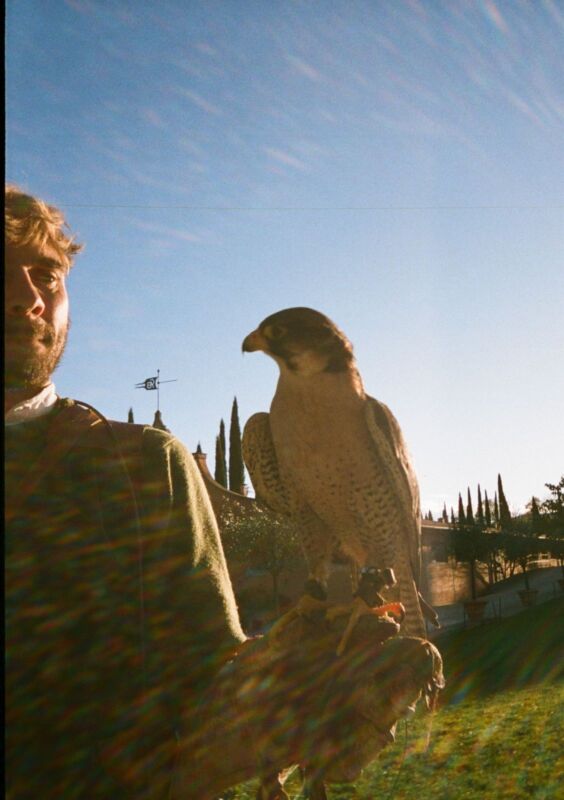
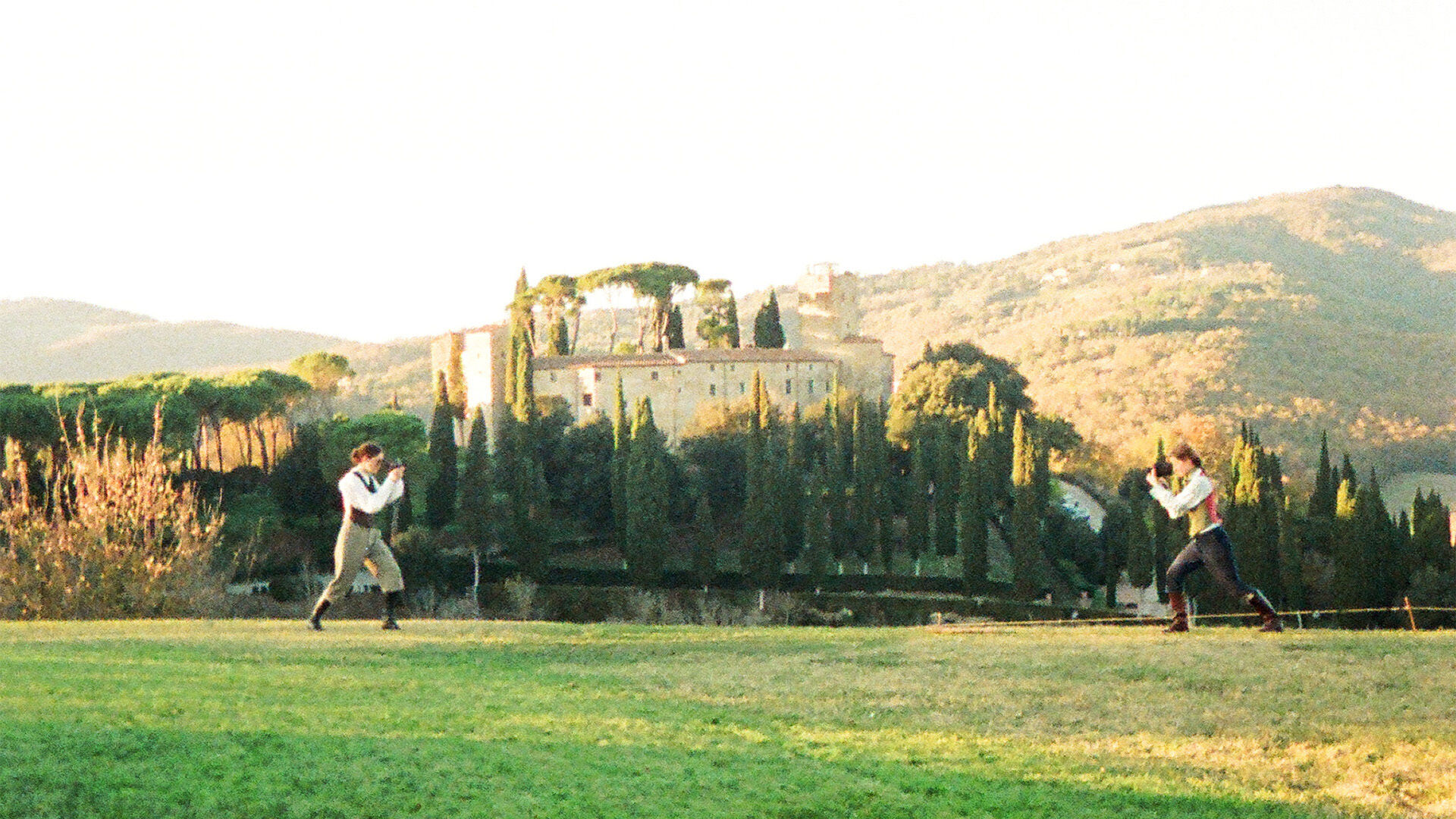
To capture still moments, we use half-frame cameras such as the Kodak Ektar H35N and the AGFA PHOTO 50mm, whose compact size and simple mechanics encourage a diary-like approach. These cameras produce a pronounced grain that lends them a sense of unfiltered realness, and their simplicity means they can be used by guests, so that fleeting moments can be captured from multiple perspectives. For motion, we turn to classic Super-8 cameras, including the Canon Auto Zoom 318M, the Canon 514XL, and the GAF Auto Zoom 714 seen in the photographs, paired with Kodak Vision3 film. The grain, soft focus, and subtle frame jitter of these cameras lend the footage a poignant character reminiscent of archival home movies and experimental cinema of the 1970s. These tools bring with them qualities that feel aligned with Reschio’s spirit. They let us capture something authentic and timeless, echoing the estate itself: shaped slowly over generations and defined by memories. Using analogue film connects us to a living timeline, linking the moments we record to the stories that came before us, and reminding us that the moments we live now will, in time, become treasured memories themselves.